


Blog
Complete guide to choosing the right cycling clothing in winter

Winter brings its unique challenges for cycling enthusiasts. From low temperatures to icy winds, it is essential to be well-prepared to stay comfortable and performant. In this article, we will explore how to choose the best cycling clothing for winter to maximize your experience on two wheels.
Layering: the key to thermal comfort
When choosing your winter cycling gear, layering different garments is an effective approach to managing body temperature and staying warm. Here is how to structure your layers:
The first layer: thermal base layers
The choice of thermal base layers is crucial. They must feature a fabric that wicks moisture away from the skin. These base layers act like a second skin, providing thermal insulation while preventing sweat from cooling the body. Here are some popular options:
– Merino wool base layers: known for their ability to maintain warmth even when damp.
– Synthetic material base layers: often more affordable and effective at moisture wicking.
The second layer: insulating and long-sleeve jerseys
After the base layer, it’s time to consider an insulating long-sleeve jersey. These jerseys provide extra protection against the cold. Fleece or micro-fleece models are particularly suitable, as they retain heat while allowing for some breathability. In mid-season, you can also opt for arm warmers with a short-sleeve jersey and a gilet (vest), which allow you to easily adjust your outfit without having to add or remove a full layer.
The third layer: windproof and waterproof jackets
To face harsh weather conditions, include a waterproof and windproof jacket. This type of jacket offers both wind protection and a barrier against moisture. Depending on the temperature, a windproof and waterproof gilet can be worn over a long-sleeve jersey to boost protection while maintaining optimal lightness and flexibility. This strategy is ideal for more variable conditions and allows for effective moisture management while staying comfortable.
Protecting extremities: hands, feet, and head
Extremities are particularly vulnerable to low temperatures and require special attention. Here is how to protect each part effectively:
Hands
A pair of gloves can make a big difference during your winter rides. Opt for lined, water-resistant gloves. For extremely cold days, consider heated gloves or mittens, which offer better heat distribution.
Feet
It all starts with selecting the right socks. Whether made of merino wool or synthetic materials, they should keep your feet warm while wicking away moisture. Coupled with waterproof overshoes, they will help fight off cold and damp elements.
Head
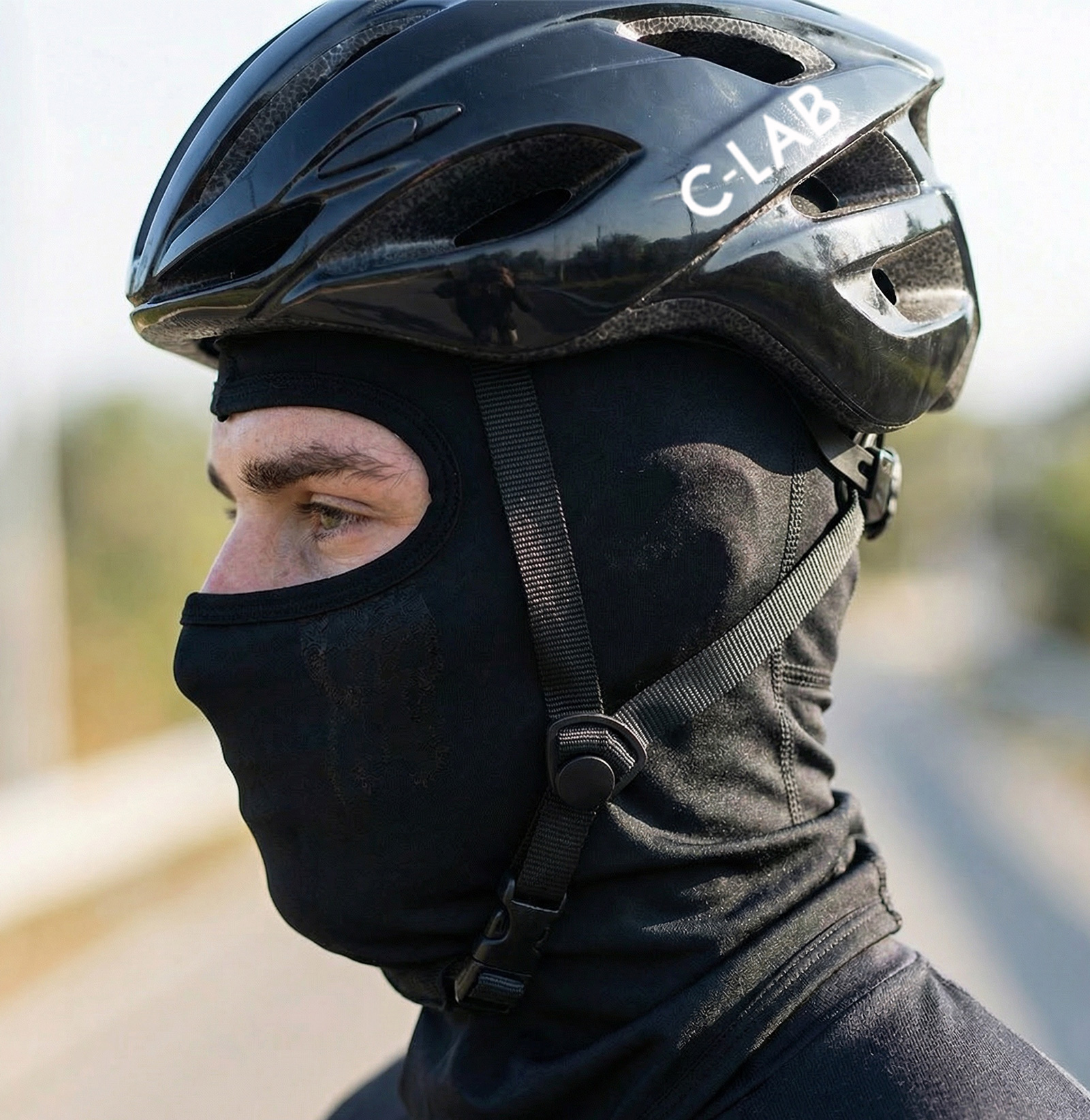
Your head loses a lot of heat, so a suitable helmet paired with a thermal cap or balaclava is indispensable. These accessories ensure that precious body heat remains trapped while protecting against cold wind gusts. A neck warmer is also a must-have, versatile accessory to protect this sensitive area from the freezing wind.
Understanding and using technical fabrics
Technological advances have led to the development of specialized fabrics perfect for winter cycling. Proper knowledge and use of these fabrics can improve your comfort and performance.
Insulating fabrics
Fabrics like merino wool and Polartec are known for their insulating properties while remaining breathable. They capture body heat while ensuring sweat is moved away from the skin.
Windproof fabrics
Fabrics with windproof membranes like Gore-Tex are essential. They block powerful winds and protect against bad weather without adding unnecessary bulk.
Waterproof and water-repellent fabrics
These fabrics are essential for outer jackets and pants. They prevent external moisture from penetrating, ensuring dry skin and continuous comfort.
Adjusting and adapting clothing to effort intensity
In cycling, effort intensity varies greatly. Adapting your clothing based on your activity level helps regulate body temperature and avoid discomfort.
Low intensity
For low-intensity rides, special attention should be paid to base layers and insulating layers. It is better to prioritize clothing that promotes heat retention.
High intensity
During more intense exercise, clothing must allow for effective ventilation while providing adequate protection against the elements. Opting for breathable and easily adjustable materials is a winning strategy.
Practical tips for winter cyclists
A few extra tips can make your rides even more enjoyable despite winter conditions:
- Warm up before leaving: perform some light exercises to start with an already warm body.
- Wear multiple pairs of socks if necessary, but ensure your shoes aren’t too tight to avoid frostbite.
- Use hand and foot warmers to add an extra layer of heat.
- Always keep a light, packable jacket in your bag in case weather conditions change abruptly.
Paying attention to detail—from the quality of the fabrics to the perfect fit of your clothes—guarantees a pleasant and safe cycling experience even during the coldest months of the year.


